Limp dick 101

.avif)
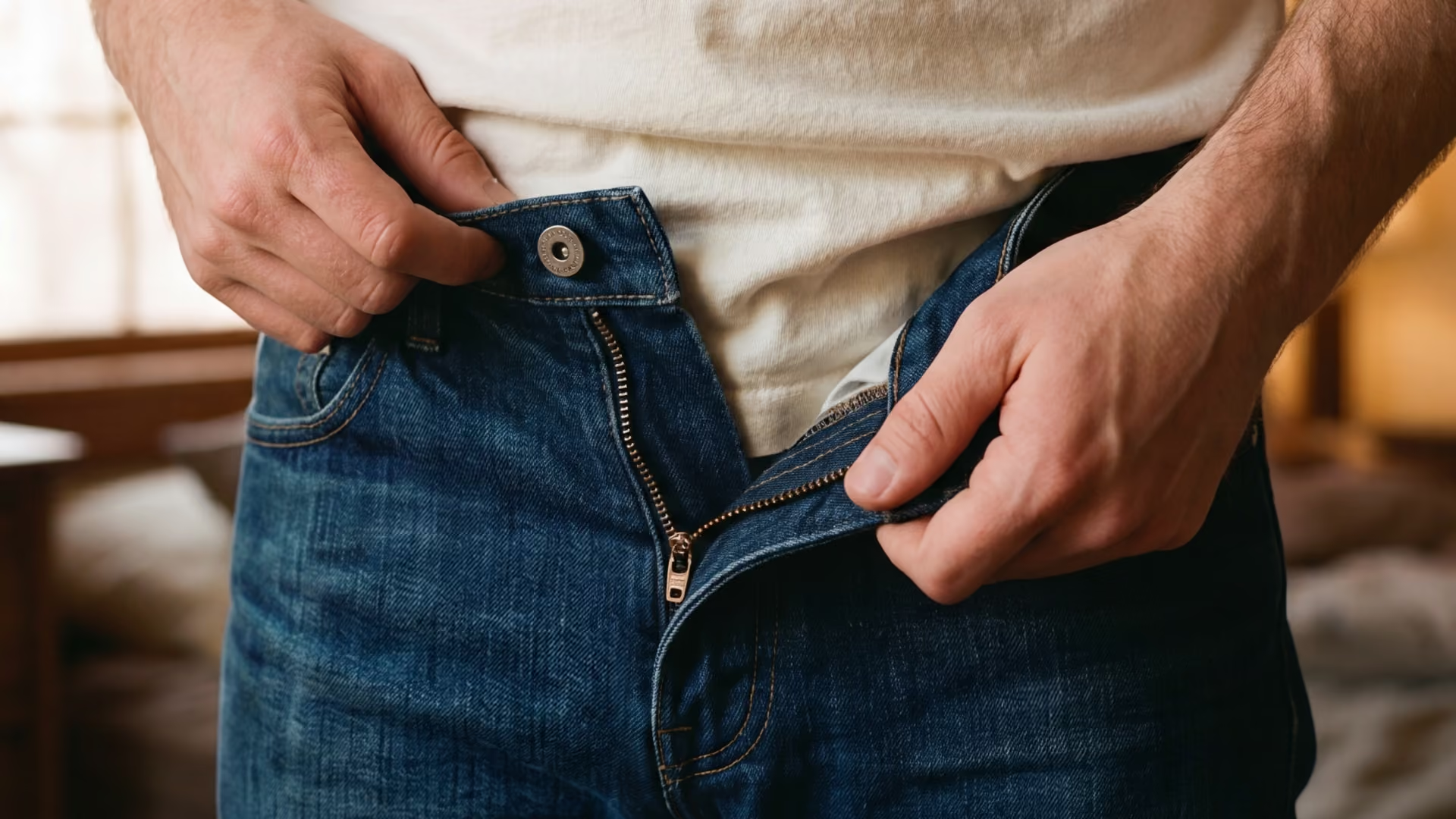

Limp dick is a slang term for erectile dysfunction (ED): trouble getting or keeping an erection firm enough for sex. It has psychological causes, like performance anxiety and stress, physical causes, like blood flow or hormone issues, and lifestyle causes, like smoking or heavy drinking. Up to 30% of men under 40 have experienced it (Nguyen et al., 2017), and one study found up to 85% of ED cases in men under 40 were psychological (Papagiannopoulos et al., 2015). Most cases are fixable, not permanent.
We can appreciate the creative genius behind erectile dysfunction nicknames like limp dick. Stifficulty, sick wood, cold spaghetti, limber timber, floppy jalopy, and wangxiety. The list goes on.
But, talking about erection issues is still difficult for some guys, with 39% of men with ED never seeking treatment for it (SingleCare, 2021). So, for the record, when we do talk about the subject here at Mojo, we tend to avoid any slang names, and prefer using the correct medical term: erectile dysfunction (or ED for short).
With that said, it's recently come to our attention that there are lots of men out there searching for information specifically about 'limp dick'. So today we're making an exception, and will be answering your burning questions related to limp dick in this post.
This guide covers:
- What a limp dick is
- What causes it
- Whether yours is physical or psychological
- How to fix it
- How to prevent it
What is a limp dick?
Limp dick means you can't get or keep an erection. It can happen with a partner or during masturbation (solo sex). It's slang for erectile dysfunction (ED). Mojo uses both terms in this guide, because they're both what people search for, and what doctors and therapists actually say. For the full clinical picture, read Mojo's full ED 101 guide.
What causes a limp dick?
A limp dick usually comes from a mix of psychological, physical, and lifestyle factors, not just one thing. Most guys assume there's one clean cause, but these three categories tend to overlap and feed each other. A stressful week can lower your confidence, and a few heavy nights of drinking can make your body respond more slowly on top of that. Here's a closer look at each category.
Psychological causes
These fall under psychological erectile dysfunction, and they include:
- Performance anxiety, the fear of not performing well, which often starts the cycle. Read more on how performance anxiety drives erection issues.
- Ongoing stress, from work, money, or anything else weighing on you day to day
- Relationship problems, including unresolved conflict or a loss of trust
- A difficult relationship with porn or masturbation, where your body gets used to a kind of stimulation that partnered sex doesn't match
- Shame or guilt about sex, often left over from how you were raised to think about it
- Low self-esteem, which makes you monitor yourself during sex instead of relaxing into it
Any one of these can be enough by itself. More often, a few build up together and feed each other.
Physical causes
Physical causes affect blood flow, nerve signals, or hormone levels, the three systems an erection depends on. They include:
- Heart disease, which limits blood flow throughout your body, including to your penis
- High blood pressure or high cholesterol, which damage the blood vessels an erection relies on
- Diabetes, which affects nerves and blood vessels over time
- Hormone issues, such as low testosterone
- Nerve or blood vessel damage, from injury or surgery
- Side effects from prescribed medication, including some blood pressure and antidepressant medications
A doctor can test for most of these directly, which is why ruling out a physical cause is usually the first practical step.
Lifestyle causes
Lifestyle habits rarely cause a limp dick on their own, but stacked together, or sustained over months, they raise the odds. They include:
- Smoking, which narrows blood vessels over time
- Drinking too much alcohol, sometimes called whiskey dick, which affects performance that night and, over time, your baseline
- Drug use, which interferes with arousal and blood flow depending on the substance
- A poor diet, especially one high in processed food, which affects the same blood vessels as heart disease
- Not getting enough sleep, which lowers testosterone and raises stress hormones
- Excessive cycling, which puts pressure on the nerves and blood vessels in the perineum over time
Find out more at Mojo's deeper breakdown of ED causes.
Is your limp dick physical or psychological?
The clearest signal is whether you get firm erections in other contexts, like while asleep or masturbating, but not with a partner. If your body works in some situations but not others, the cause is more likely psychological. If it doesn't work anywhere, that points more toward a physical cause.
| Context | More likely physical | More likely psychological |
|---|---|---|
| Erections during masturbation or while asleep | Absent even here → points to a physical cause | Present and firm → less likely physical |
| Erections with a partner | Difficulty specific to partnered sex less likely | Common pattern when the driver is anxiety or stress |
| Onset | Gradual, alongside other health changes | Sudden, tied to a stressful event or new relationship |
| Other symptoms | Low libido, fatigue, cardiovascular symptoms | None physical; anxiety or mood symptoms present |
Read a deeper look at telling physical and psychological ED apart if you want to dig into your own pattern in more depth.
Track this over a couple of weeks rather than judging it off one night. Patterns tell you more than any single encounter can, and a single off night doesn't mean much on its own.
Fixing psychological limp dick: what actually helps
Psychological limp dick responds to nervous system regulation and reducing performance pressure. You don't necessarily need pills. There's usually nothing wrong with blood flow to begin with, so a pill aimed at blood flow won't fix the root problem.
Watching yourself during sex, and worrying whether you'll stay hard, is often what disrupts the erection in the first place. Your brain can't relax into pleasure and monitor your own performance at the same time. Avoiding sex to dodge that fear brings short-term relief, but it tends to make the fear bigger over time, since you never get the chance to prove to yourself that it can go differently.
There's work you can do on your own. You can pay attention to physical sensations that feel good, notice when you're monitoring your erection, and experiment with different types of stimulation so your body doesn't get trained to expect one narrow type of stimulation.
70% of men using Mojo cite partner pleasure, not just performance, as their main motivation for getting better (Mojo internal data). The Erection Reset treats erections as a system you can retrain through nervous system regulation and rebuilding confidence with a partner, rather than a test to pass on the first try, led by Dr. Shannon Chavez. Since psychological causes are behind the majority of limp dick cases in men under 40 (Papagiannopoulos et al., 2015), a course built around the psychology, not the plumbing, is often the more direct path forward.
Fixing physical causes of limp dick
Physical causes are treated by addressing the underlying condition. Options range from lifestyle changes to medication to procedures, and a doctor should confirm which one applies to you before you try anything else.
Your doctor will usually start by asking about your general health, current medications, and lifestyle, then run some basic tests. A lot of physical causes show up in a blood pressure check or a blood panel before anything more involved is needed.
Read what to expect from that first conversation if seeing a doctor about this feels daunting.
If you want an erection on demand while you work on the underlying cause, a doctor might also discuss:
- Medication, like ED pills, which increase blood flow to the penis
- Vacuum pumps, which draw blood into the penis mechanically
- Cock rings, which help hold blood in once you're erect
- Penis injections, for cases where pills don't work well enough
Read Mojo's full guide to ED treatment options to see how each one works.
A limp dick that starts out physical can turn psychological too. Once you've had a bad experience or two, fear of it happening again can take over, even after the physical issue is resolved. If that's happened to you, the psychological tools above still apply.
How to avoid limp dick in the long term
Let's talk erection protection.
All those "healthy lifestyle" rumors above are completely true.
If you want to help prevent limp dick, you should try:
- Cut back on cigarettes, recreational drugs, and alcohol
- Stay physically active, since exercise supports the same blood flow an erection depends on
- Get enough sleep, since poor sleep raises stress hormones and lowers testosterone
- Eat a balanced diet, since certain foods support healthy blood vessels
- Look after your mental health, since stress and low mood both affect arousal
- Keep an eye on your weight, since excess weight is linked to lower testosterone
- Avoid steroids, which can shut down your body's natural testosterone production
None of this means chasing a perfect lifestyle. It means lowering the odds enough that one hard week, or one big night out, doesn't automatically show up in the bedroom afterward.
FAQs
Yes. Going limp occasionally, even during sex, is common and doesn't automatically mean you have ED. It's worth paying attention to if it happens most of the time or starts bothering you.
That depends on the cause. Psychological limp dick usually responds to lowering performance pressure and retraining your nervous system's response to sex. Physical causes need a doctor to identify and treat the underlying issue.
Partial erections point to the same three categories as limp dick: psychological factors like distraction or anxiety, physical factors like blood flow, or lifestyle factors like alcohol and fatigue.
Yes. Losing your erection after you ejaculate is a normal part of your body's recovery period. It's not a sign of limp dick or ED on its own.
There isn't one. Limp dick is slang for ED. Doctors and therapists use the clinical term, but they're describing the same thing: trouble getting or keeping an erection firm enough for sex.
Sources
- Nguyen, H. M. T., et al. (2017). Erectile dysfunction in young men: A review of the prevalence and risk factors. Sexual Medicine Reviews. https://doi.org/10.1016/j.sxmr.2017.05.004
- Papagiannopoulos, D., Khare, N., & Nehra, A. (2015). Evaluation of young men with organic erectile dysfunction. Asian Journal of Andrology. https://doi.org/10.4103/1008-682x.139253
- SingleCare. (2021). Erectile dysfunction survey of 500 U.S. men with ED (conducted via AYTM). https://www.singlecare.com/blog/news/erectile-dysfunction-survey/
Mojo aims to provide useful wellbeing resources to its users; however, you should not solely rely on opinions or advice available on the Website or given by the Community. Always seek advice from a qualified medical doctor or other healthcare professional before acting.
About the experts
A clinical psychologist and AASECT-certified sex therapist, Shannon counsels couples and helps men see erection issues as nervous system patterns, not defects.

A medical doctor and Mojo's medical advisor, Matt keeps what you read about erections and physical health accurate and evidence-based.






Help is available when you're feeling low – you don't have to suffer in silence. If you're in crisis or struggling to cope, find someone to talk to on Find a Helpline.